Summerfield Waldorf School & Farm
A toddler girl in a blue dress smiles as she leans through a rustic wooden window in a weathered barn-board playhouse, a small handmade wooden hobby horse with a yarn mane just below the sill.

Academics

Early Childhood Education

Our Santa Rosa preschool and kindergarten give young children a familiar, dependable rhythm: the turning of the seasons, festival life, growing competence, and the joy of friendship and community.

Preserving the merriment and awe inherent in a young child

At Summerfield Waldorf School & Farm, our children meet goodness, beauty, and truth in the world around them. Fostering the magic of childhood builds a foundation for creative, flexible thinking later in life.

Children thrive when their lives are rhythmical – they can count on events to unfold in a predictable way and with this sense of security comes the opportunity to engage in play and work with confidence. New skills, both physical and social, develop as the child encounters a familiar, dependable environment, tailored to their needs.

These principles guide the organization of our classrooms to allow children to fully experience the turning of the seasons, their own growing competence, the joy of friendship and our rich festival life.

Programs at a glance

ProgramAgesDaysHours
Roots & Shoots: BabiesBirth–17 monthsWed11:00am–12:30pm
Roots & Shoots: Toddlers18 months–2 yr 3 moWed9:00–10:30am
Seedlings Preschool, 2-day2–3 yearsThu–Fri8:30am–12:30pm
Seedlings Preschool, 3-day2–3 yearsMon–Wed8:30am–12:30pm
Seedlings Preschool, 5-day2–3 yearsMon–Fri8:30am–12:30pm
Rosebud Preschool, 2-day3–4 yearsThu–Fri8:30am–12:30pm
Rosebud Preschool, 3-day3–4 yearsMon–Wed8:30am–12:30pm
Rosebud Preschool, 5-day3–4 yearsMon–Fri8:30am–12:30pm
TK / Kindergarten, 4-day4–6 years4 days/week8:30am–12:45pm
TK / Kindergarten, 5-day4–6 yearsMon–Fri8:30am–12:45pm

See Early Childhood Tuition & Fees for pricing. Aftercare is available daily through our ECE Village; details below.
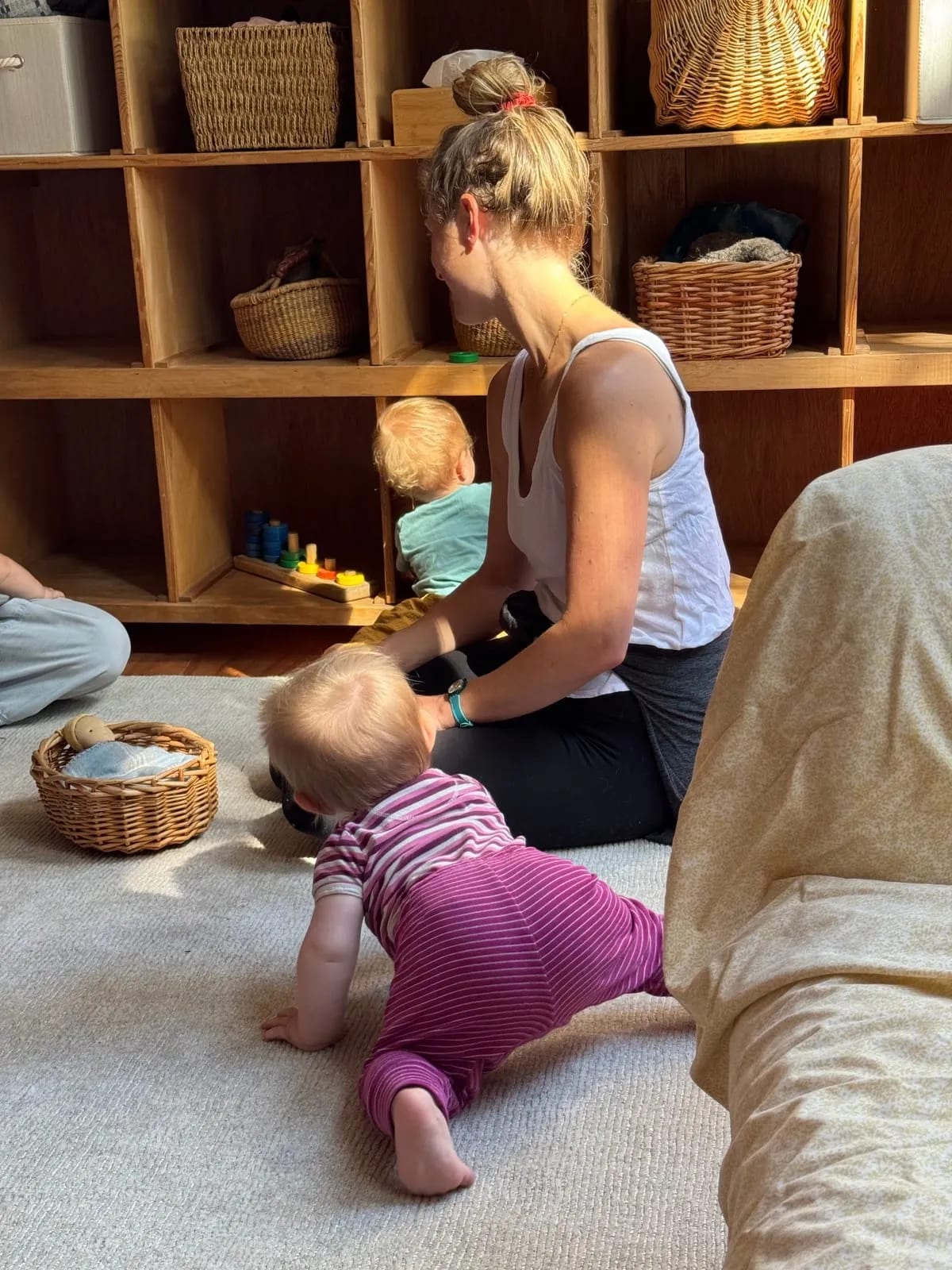
A teacher stays low on the rug in the toddler room as a baby crawls over to her.

Roots and Shoots: Parent/Caregiver and Child

Parent/Caregiver and Child classes offer support and guidance for families as they begin to establish routines that encourage the healthy development of the growing child. These classes provide a place, week after week, for children to enrich their world beyond their family circle, while their parent/caregiver stays near by. Each class offers an open time for the child to explore free play.

Babies and toddlers

Both classes meet on Wednesdays, with one adult attending alongside each child. Our circles provide a peaceful, connecting experience for parent/caregiver and child alike, with weekly discussions of parenting topics designed to support and inspire your life at home and deepen your understanding of child development.

  • Babies — birth to 17 months (by September 1, 2026), Wednesdays 11:00am–12:30pm
  • Toddlers — 18 months to 2 years 3 months (by September 1, 2026), Wednesdays 9:00–10:30am

Parents/caregivers find a community of sharing and mutual support. In the toddler class, each week parents/caregivers are invited to work on a simple handwork project while the children engage in creative play, practice social engagement, and learn from daily life experiences in our nurturing environment. Included in each class are a shared snack, lap games, songs, and puppet plays.

The year runs as five sessions. See Early Childhood Tuition & Fees for the full session calendar and pricing, or download the printable 2026/27 schedule (PDF) (opens in a new tab).
Inquire about Roots & Shoots

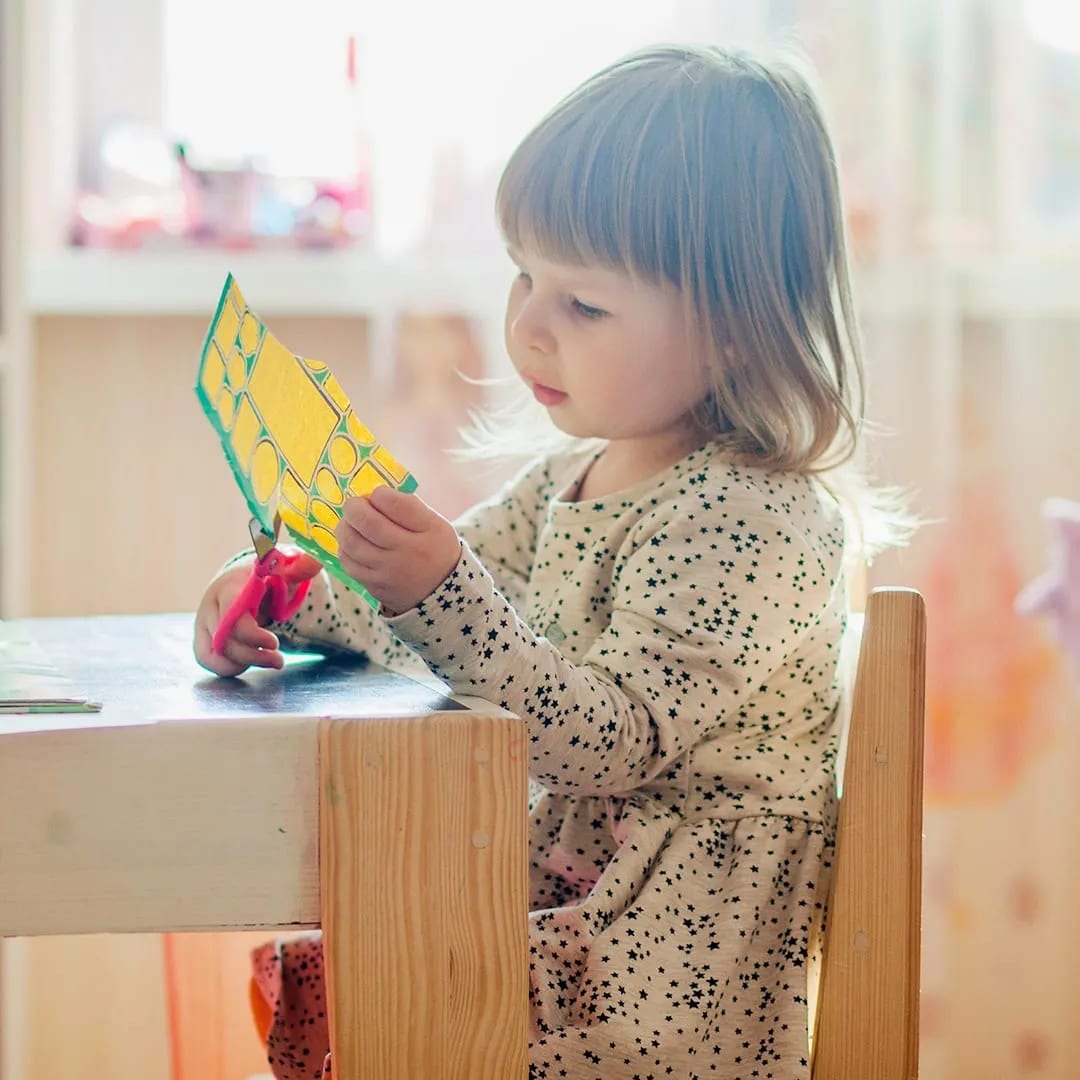
A preschooler holds up the painted paper she has been cutting.

Preschool: Ages 2–4

Summerfield’s preschool program strives to make the transition from home to school as gentle as possible by creating a classroom setting that feels homelike. At the age of three, children are just beginning to interact with their peers and they naturally imitate the world around them. It is through active play with each other and work with their teachers and peers that these children develop a foundation for future learning.

Our classes offer a high teacher-to-student ratio with typical class sizes of:

  • Preschool for 2–3 years old: 8 students, 2 teachers (two classes)
  • Preschool for 3–4 years old: 12 students, 2 teachers (two classes)

A toddler lands grinning at the bottom of the slide.

Seedlings Preschool (2–3 year olds)

2 years old by June 1 of current year.

  • 2-Day Program: Thursday–Friday, 8:30am–12:30pm
  • 3-Day Program: Monday–Wednesday, 8:30am–12:30pm
  • 5-Day Program: Monday–Friday, 8:30am–12:30pm

A child leans out of the playhouse window, wooden hobby horses parked below.

Rosebud Preschool (3–4 year olds)

3 years old by June 1 of current year.

  • 2-Day Program: Thursday–Friday, 8:30am–12:30pm
  • 3-Day Program: Monday–Wednesday, 8:30am–12:30pm
  • 5-Day Program: Monday–Friday, 8:30am–12:30pm
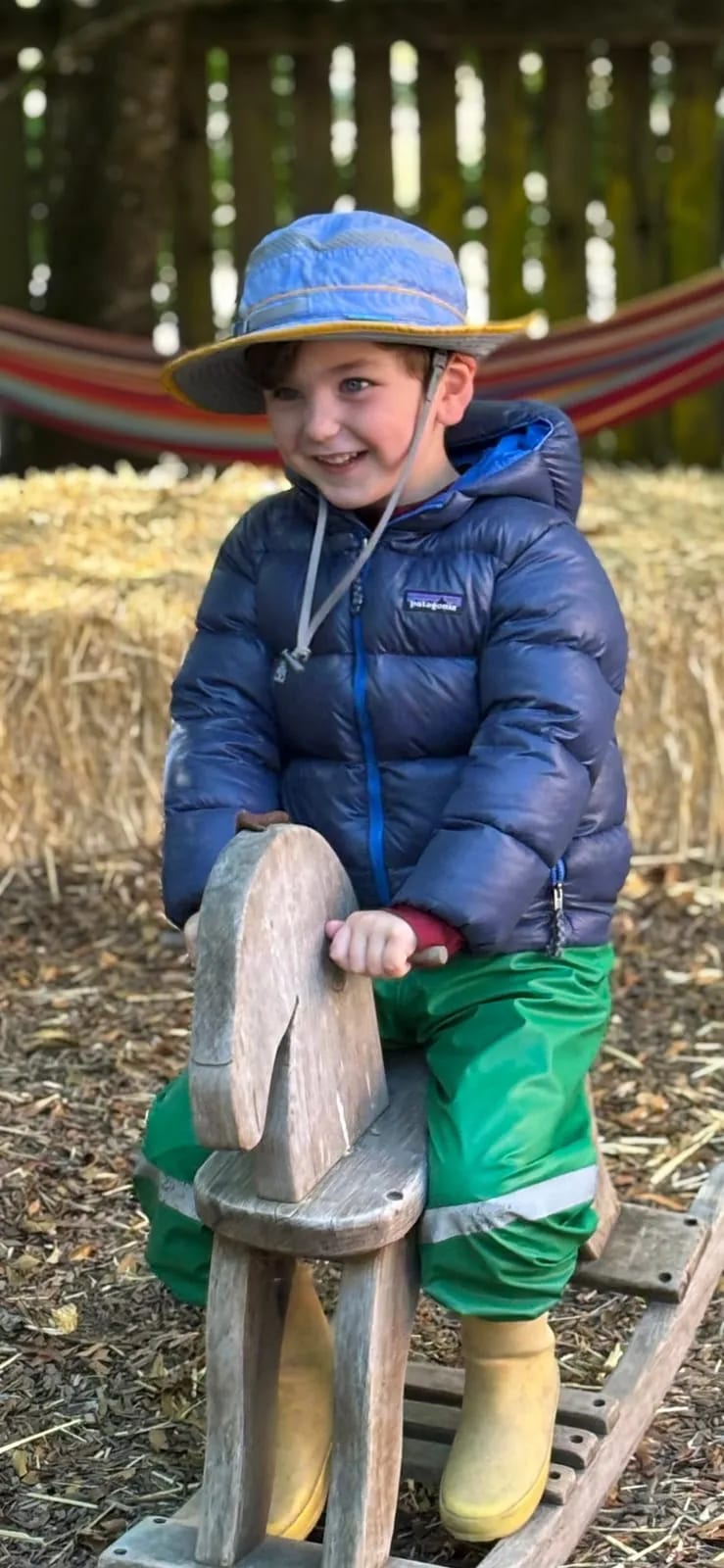
Bundled against the cold, a preschooler rides the wooden horse in the yard.

Preschool Aftercare

Preschool Aftercare is offered from 12:30pm until 3pm or 4:30pm each day, Monday–Friday in our ECE Village. Aftercare rates are $16/hour and you must register for the semester, selecting the days you need care. Please contact your child’s teacher to register.
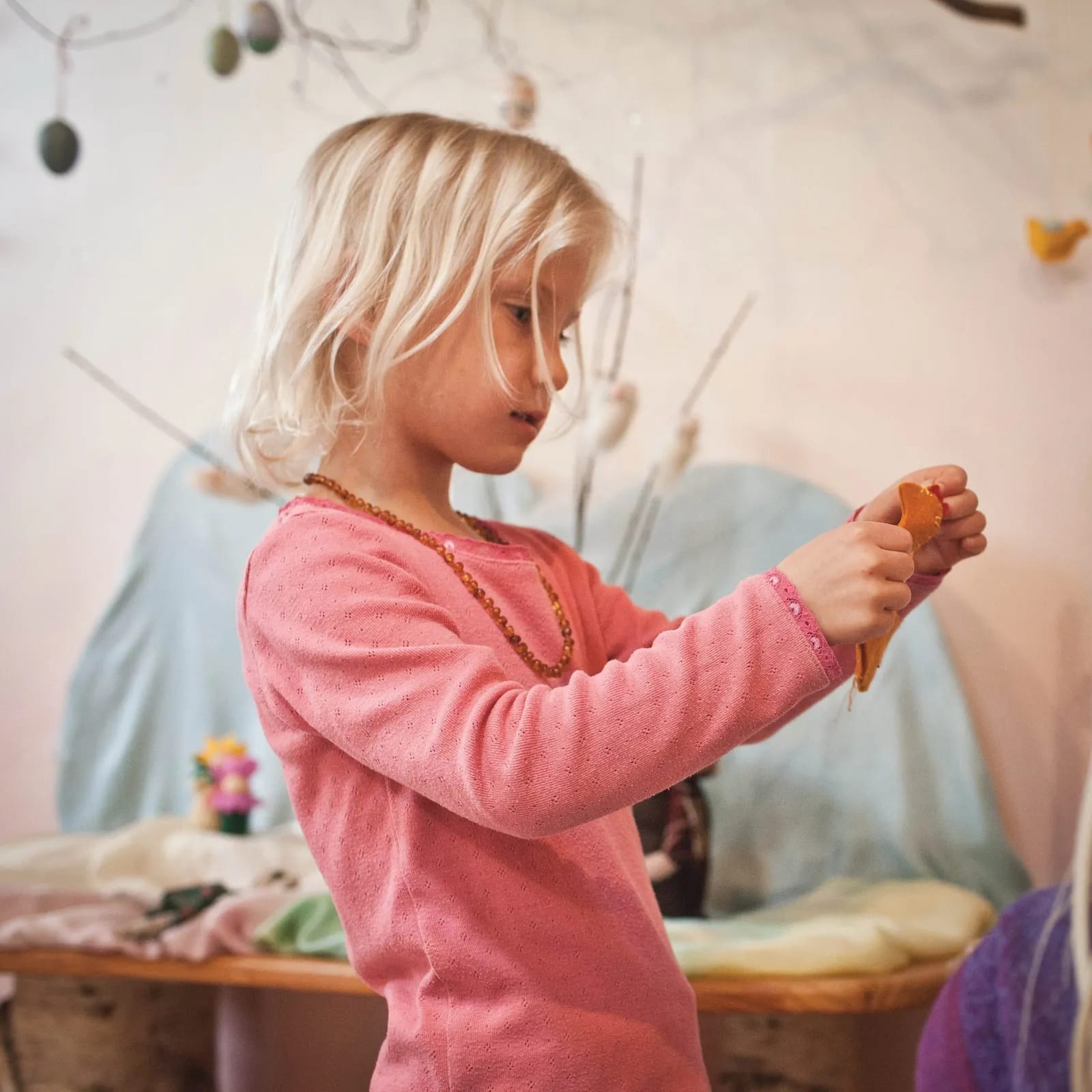
A kindergartener with a felted bird at the seasonal nature table.

“Children who live in an atmosphere of love and warmth, and who have around them truly good examples to imitate, are living in their proper element.”

— Rudolf Steiner

Kindergarten: Ages 4 to 6

Our Kindergartens serve children from ages 4 (by June 1st) to 6 years old and we aim to support the healthy development of the young child in a nurturing, non-academic setting, through imitation, movement, imaginative play, story and the work of daily life. The day begins at 8:30am and ends at 12:45pm with a nutritious snack and a warm, healthy lunch.

Kindergarten is offered as a 4-day or a 5-day (Monday–Friday) program. Of the ECE programs, only the 5-day Kindergarten is eligible for Tuition Assistance.

In Kindergarten, a rhythmic structure is created that moves daily between focused group activities and individually initiated activities, including circle time, creative free-play indoors and out, eating meals together (while working on our finest, golden manners), clean-up time, and story time.

Weekly activities include a visit to our Biodynamic® farm, painting, drawing, eurythmy (an art of movement) and practical skills. Kneading dough, chopping vegetables, sewing, finger knitting or working in the wood shop with industrious and capable hands to saw, rasp or sand are some of the weekly tasks the children enjoy. For the older children in Kindergarten, this ‘real work’ meets the transformational changes happening within.

Our classes offer a high teacher-to-student ratio with typical class sizes of:

  • Kindergarten for 4–6 year olds: 22 students, 2 teachers (two classes)

Kindergarten Aftercare

Offered at $16/hour, Monday–Friday in our ECE Village. Our Aftercare Program begins at 12:45pm with a quiet rest period listening to music, then the children do a number of activities such as go outside to play or enjoy a nourishing snack (family provided). Kindergarten Aftercare ends at 5:30pm.

A day in Kindergarten

Sample schedule

TimeActivity
8:15amGates open to ECE Village
8:30amNature walk
8:45amCircle
9:00amDaily activity
9:20amTidy up from activity, then free play
10:20amHandwashing and snack
10:50amFree play and lunch preparation
11:40amTidy up and bathroom break
11:50amStory time
12:10pmLunch
12:30pmChores
12:45pmFirst Kindergarten pick-up at the gate

Sample weekly rhythm

DayActivityLunch
MondayFarm DayRice with tamari, seeds, broccoli
TuesdayEurythmy and drawingLentil stew with sour cream
WednesdayBakingOatmeal and toppings
ThursdayPaintingStone soup, homemade bread and butter
FridayCleaning DayCreamy polenta with marinara sauce, salad

Qualifiers for ECE Programs

Immunization

All children must be immunized prior to enrollment. California State Medical Exemptions must be processed through the State’s website, CAIR-ME. Please refer to our Immunization Policy for more details.

Toilet training competence (Rosebud Preschool, 3–4 year olds)

All Rosebud children must be able to toilet independently. This is a marker of readiness for the program we offer and makes our teacher/student ratios workable.

Additional developmental readiness (Rosebud Preschool and Kindergarten)

When looking at acceptance, these are the capacities which are considered:

  • Responds to teachers redirection and regulation support
  • Able to join group activity
  • Able to follow directions from multiple adults, not just their preferred adult
  • Shows interest in social play
  • Communicate either with words or sign language. (Children who cannot communicate are not admitted as it is a matter of safety)
  • Dresses themselves
  • Reasonably independent in transitions
  • Capable of managing conflicts with a minimum of aggressive behaviors
  • Capable of staying with the group throughout the rhythm of the day
  • Able to listen to a story for 10–15 minutes
  • A woven wicker basket cradles five soft handmade Waldorf dolls, each with a simple stitched face and a different colored knit bonnet, tucked together as if napping.
  • A preschooler in green pants and orange sneakers balances astride a wooden monkey-bar rail outdoors, other children hanging beneath the bar in dappled forest light.
  • Two small children in red and plaid outerwear sit together on the ground near a hay bale and tree stump, one smiling at the camera while the other reaches toward him with muddy hands.

Wednesdays, 9–11 am

Campus Tour: Preschool–12th Grade

Parents only

Next date

October 14, 2026

Also: Nov 11 · Dec 9 · Jan 13 · Feb 10 · Mar 10 · Apr 21 · May 19 · Jun 2

A guided journey through campus with an in-depth look at our Preschool–G12 classrooms. See teachers and classes in action and join a Q&A with faculty and our Admissions Director.

Common questions

Frequently asked questions

  • What is Waldorf Education and how is it different?

    Central to Waldorf Education is a recognition of and a respect for the child’s unfolding individuality. The curriculum is designed to meet the child’s specific developmental needs–where they are in their developmental stage– from the preschool through to high school. Rudolf Steiner maintained that “all education is self-education,” and therefore the task of the teacher lies in creating a learning environment in which the child can find age-appropriate nourishment and challenge. In a world in which education is focused on normative, quantifiable outcomes, the uniqueness of the individual child’s gifts and challenges often has to take a backseat to the pressure of general societal expectations.

    Waldorf Education values difference and strives to support developing children and adolescents in such a way that they can bring their gifts to fruition while, at the same time, learn to cope with their challenges. All of Waldorf Education is focused on challenging children in such a way that the emergent ability of independent thinking can lead to a true experience of meaning. As Steiner puts it, the earliest experiences that the world is good and worthy of imitation, followed by the cultivation of a deep sense of wonder for the beauty to be found in all things, will establish the foundation upon which the teenager will learn to discover truth in the world.

    Learn more here.

  • What is the average class size at Summerfield Waldorf?

    Class Ratios:

    Our average student to faculty ratio is 6:1, ensuring that our teachers really get to know every student and work closely with them to support their unique individual needs.

    A typical class size for each grade is:

    Early Childhood:

    Preschool for 2-3 years old: 8 students, 2 teachers (two classes)

    Preschool for 3-4 years old: 12 students, 2 teachers (two classes)

    Kindergarten for 4-6 year olds: 22 students, 2 teachers (two classes)

    Lower School, Middle School & High School

    Grades 1-12: 15-20 students per grade (one grade per class)

    Students in their journey here at Summerfield greatly benefit from different teaching styles, personalities, and professional expertise within a given subject. On average, a Summerfield student, depending on their grade, will have the following teachers throughout their school day:

    (1) Main Lesson: This is their grade level teacher who instructs them during a 1.5 - 2.0 hour (depending on the grade level) main subject lesson for that specific Block.

    (1-2) Movement: an instructor each for eurythmy and PE/circus arts

    (1-2) Music: an instructor each for choir and instruments

    (1-3) Arts: an instructor each for fine arts, practical arts, and drama

    (1) Language: an instructor specific to a language. We offer Spanish and German.

    (1-2) Farm: an instructor specific to farming and horticultural practices

    (1) Mentor: teachers who are chosen by the students as a direct contact person for guidance with any school, life, or social issues.

  • Do you offer aftercare?

    Yes! We offer Aftercare for Preschool classes during the school year and throughout certain months during the summer as an paid extension of our Summer Camp program.

    Online registration for Preschool Aftercare is not available so please contact your lead teacher to register for this program in-person.

    Aftercare is not included in the Tuition Fees and is an additional fee. Please see Aftercare Fees and Schedule for more information.

  • How does Summerfield Waldorf integrate technology by grade? Will my children be prepared for the digital world?

    At Summerfield Waldorf, we place an emphasis on direct human interaction and authentic experiences. Our approach to technology is to introduce it when it is developmentally appropriate to do so. We fully realize that when students graduate from Grade 12, technology will be a key component of their higher education and learning. Therefore, we structure its introduction in specific, teacher-led courses to be useful and relational to a subject, not a detriment or distraction.

    Our High School faculty and staff firmly believe that being a smart device-free campus during the school day improves a high school student’s attention, sense of self, healthy social interaction, and mental health. We are committed to creating a learning environment where each student can be as fully present and fully themselves as possible.

    How technology is integrated at Summerfield:

    Early Childhood Education

    No technology or electronics, including Smart devices (tablet, iPads, kiddie computers), or social media. Unstructured play in nature with open-ended toys which feeds their imagination along with stories, art, and music is where a child thrives. Our classes focus on imitation, imagination, movement so the child can learn without being encumbered by preconceived visuals and narratives found in modern television, videos, movies and alike.

    Technology integration: no technology is introduced until the high school level.

    Lower (G1-6) & Middle School (G7& 8)

    No technology or electronics, including Smart devices (phone, earbuds, watches, tablets, Ipads, e-readers, e-music players, and, no social media. If the family decides a phone is needed for their child, choose a flip phone or phone with no browser or internet access. Consider parental controls and agreements for parental oversight of text messages.

    Technology integration: no technology is introduced until the high school level.

    High School:

    No Smart Devices (phones, watches, earbuds, iPads, tablets, e-readers, e-music players) are allowed in the High School/on campus during school hours. We recommend no social media until Grade 11.

    Each morning: High School students are required to check their phones into their allotted phone slot in the "phone box" every morning, and at the end of the school day (3:10pm), students may collect their phones. A secure check in/check out process is monitored in the high school office.

    Technology integration:

    High school students use computers in the preparation and research of papers and projects for various courses.

    • In the Grade 10 Research Paper course, both library books and internet research skills are taught by their teacher to learn about citations & source material. Here is where we introduce responsible cyber citizenship.
    • Grade 10-12 prepare Physics Lab Reports on school-provided Chrome Books during school hours.
    • The high school yearbook is designed using computer graphic software to teach how a beneficial partnership with technology and art can exist, and fuel the creative mind.
    • There are elective courses on the fundamentals of computer architecture, hardware, and installation where students design and build a computer from scratch.
    • Our facilities consist of one computer workstation in the library, which is available for word processing and shared usage of office computers for word processing, printing, and scanning of images.

    Read more: Smart Device Policy and Social Media Recommendations

  • What is Summerfield Waldorf's immunization policy?

    All students must be fully immunized per California's School Immunization Law before enrolling; homeopathic preparations do not satisfy this requirement. See our Immunization Policy for full details.

More answers on our full FAQ page.